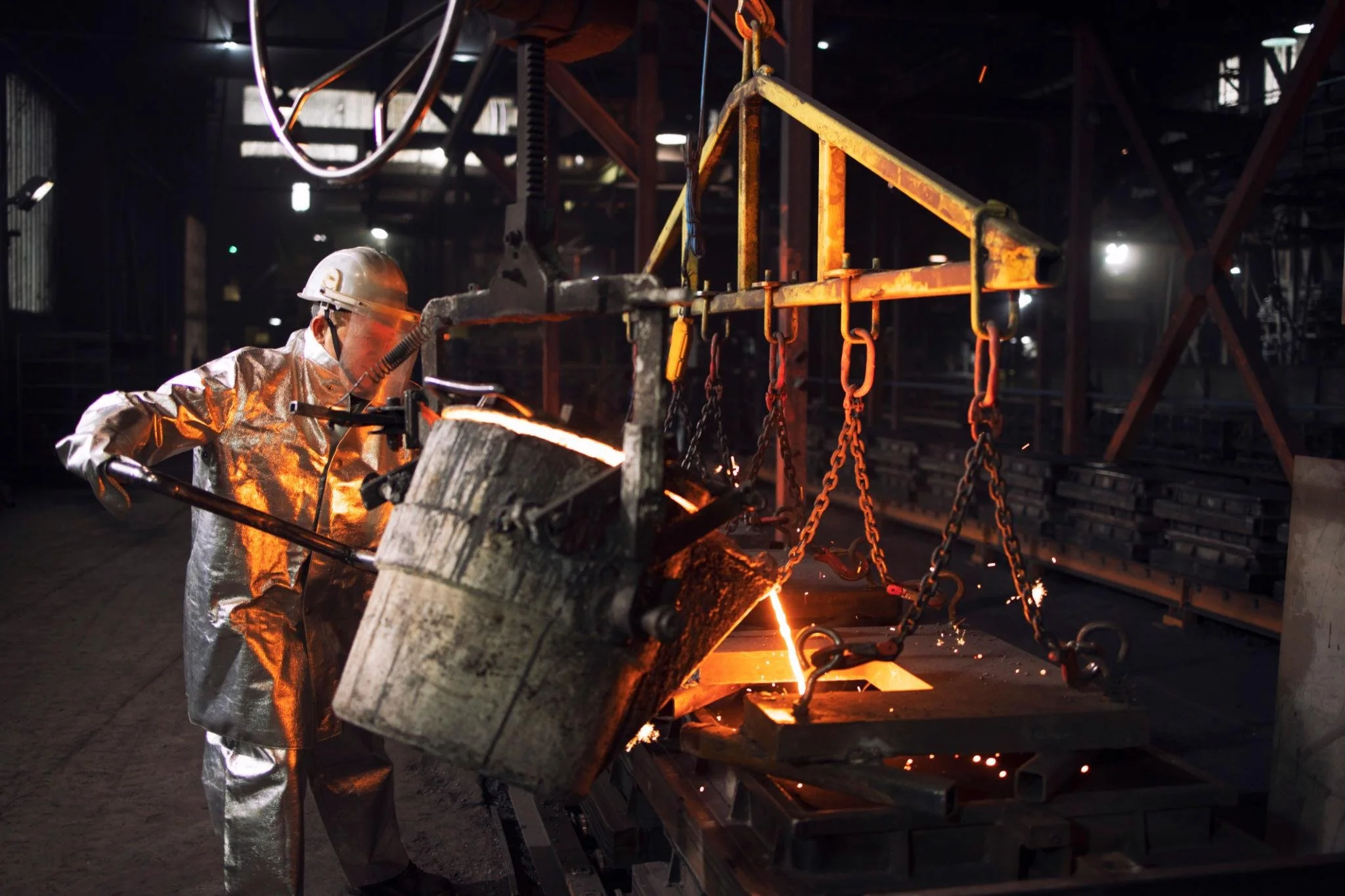
Casting Services
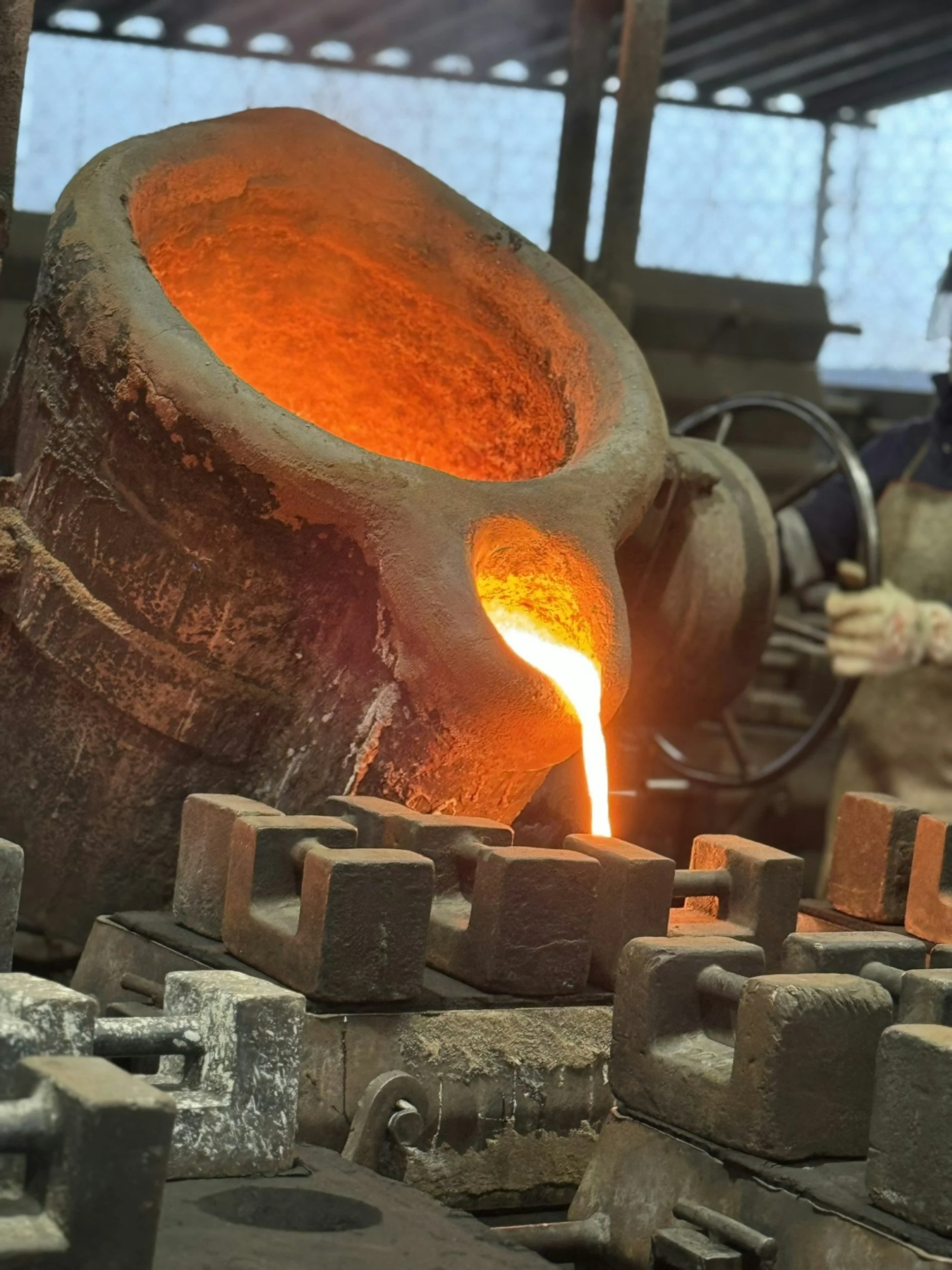
Advanced Casting Techniques
Permanent Mold Casting
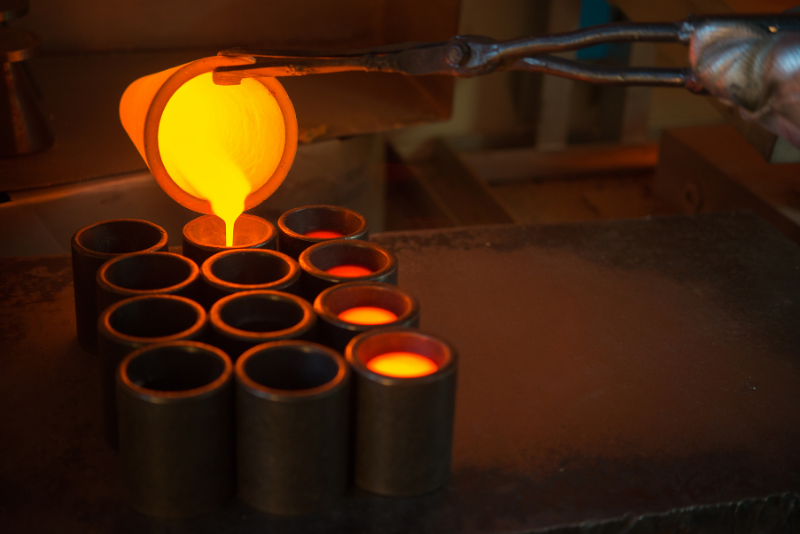
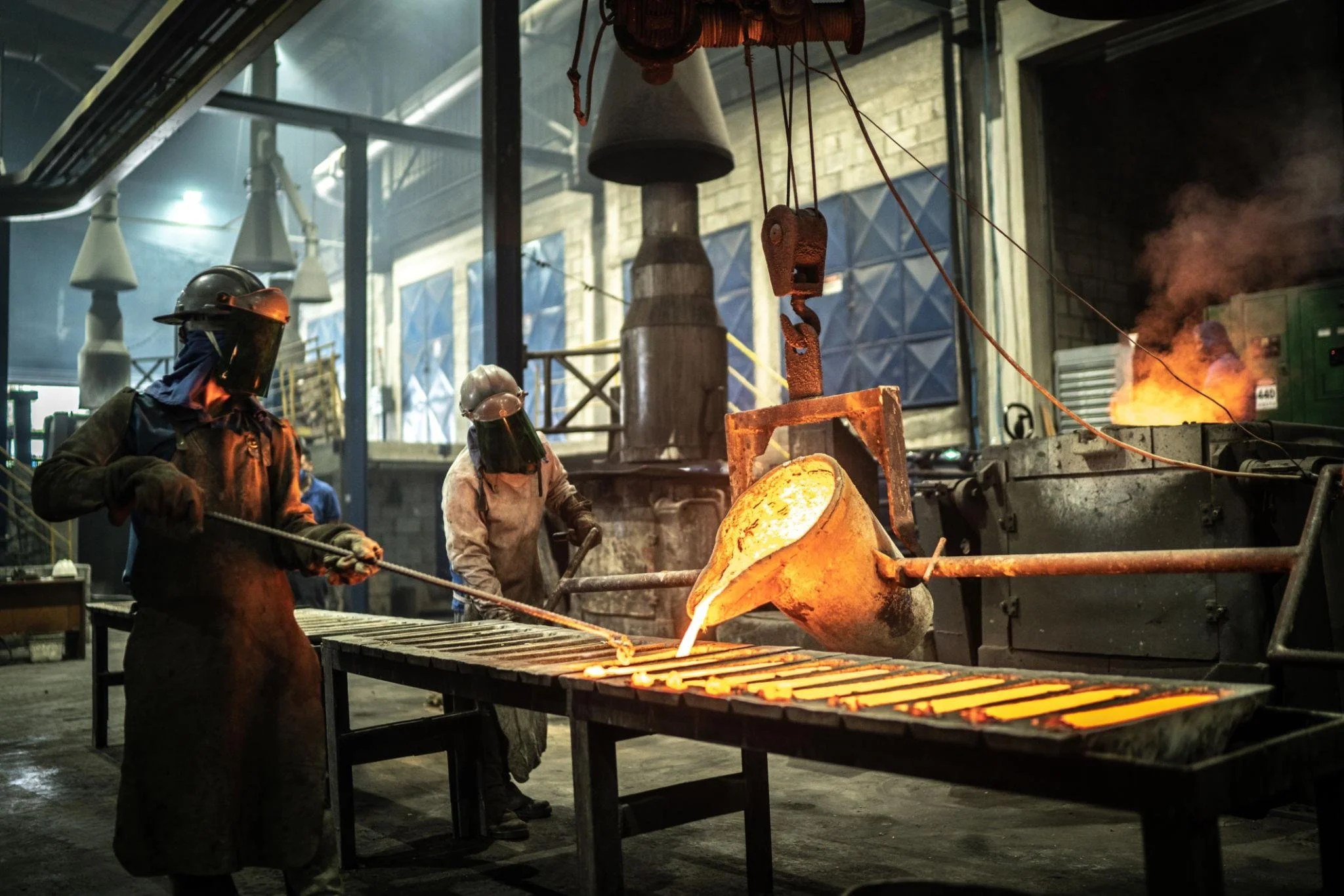
Process: Molten metal is poured into a reusable metal mold using gravity. The metal mold acts as a heat sink, creating a fine grain structure in the finished part.Advantages: It provides superior surface finish and tighter dimensional control compared to sand casting, making it a reliable choice for quality components.Applications: Commonly used for non-ferrous alloys, specifically in high-quality aluminum parts.
Die Casting
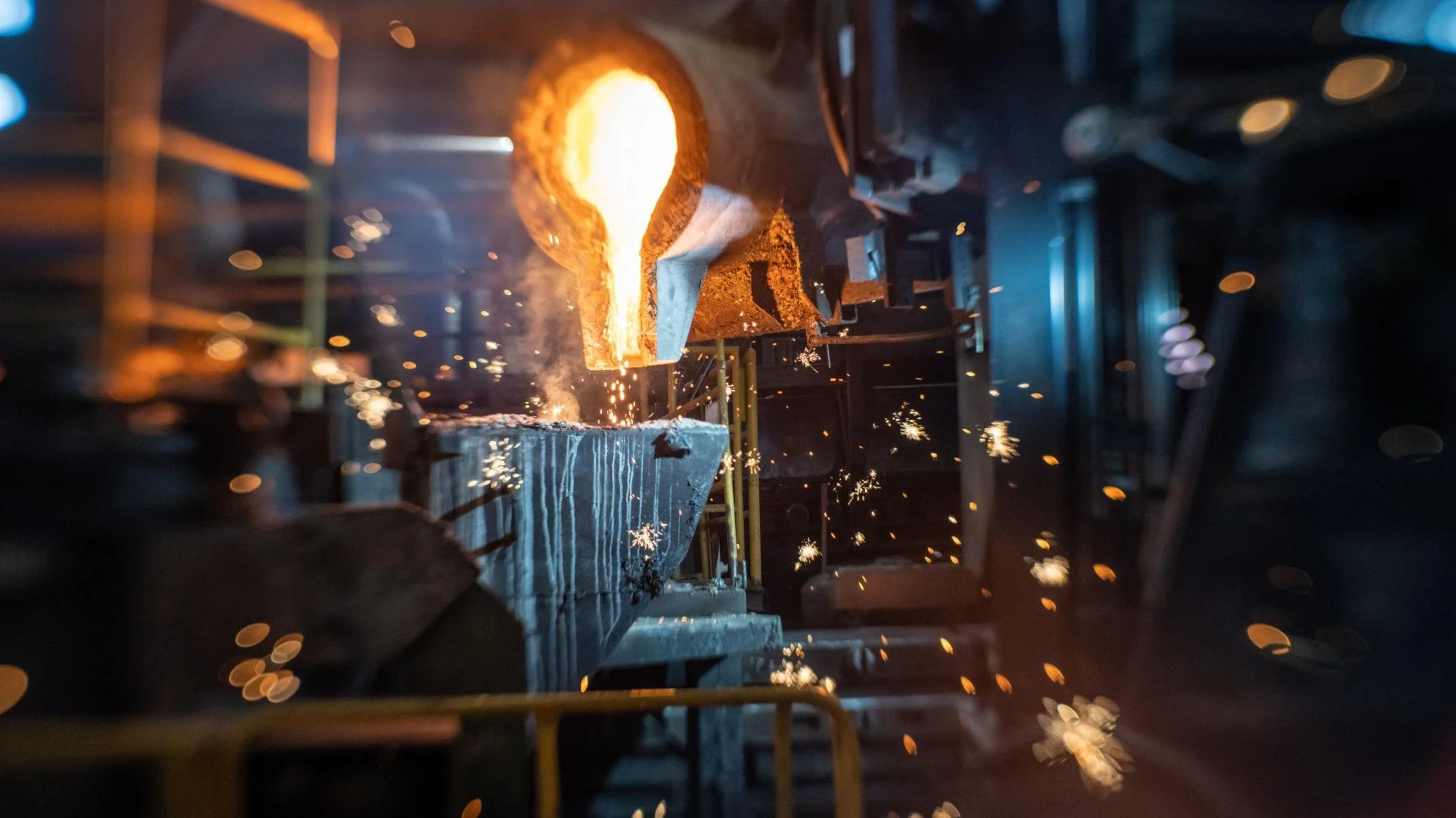
Process: This method forces molten metal into steel dies under extreme pressure. The high speed of the injection ensures the metal fills every intricate cavity of the mold.Advantages: Best suited for high-volume production due to its rapid cycle times and the ability to create complex shapes with minimal need for further machining.Applications: Widely used in the automotive and electronics industries for mass-produced components.
Advanced Sand Casting Techniques
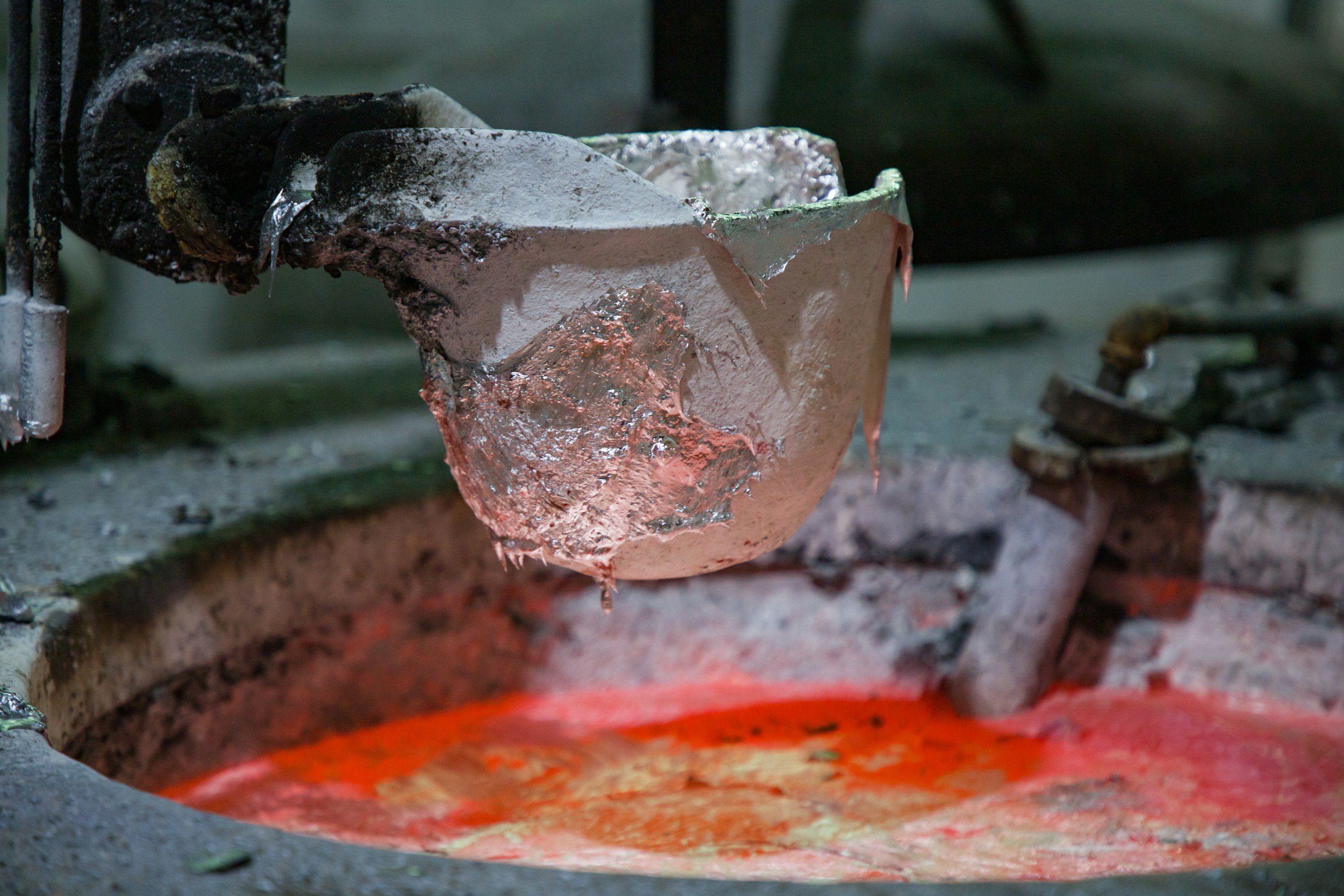
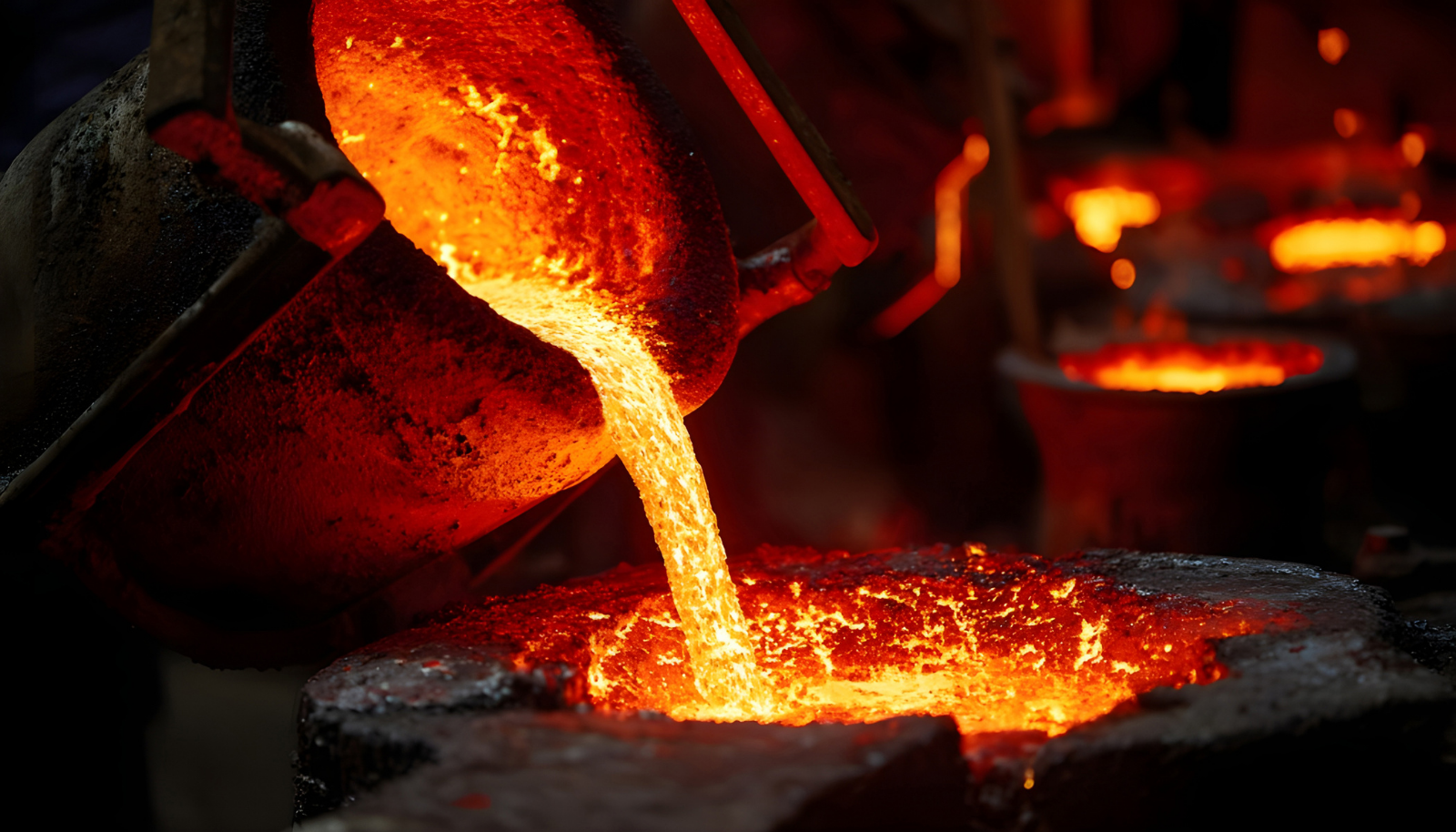
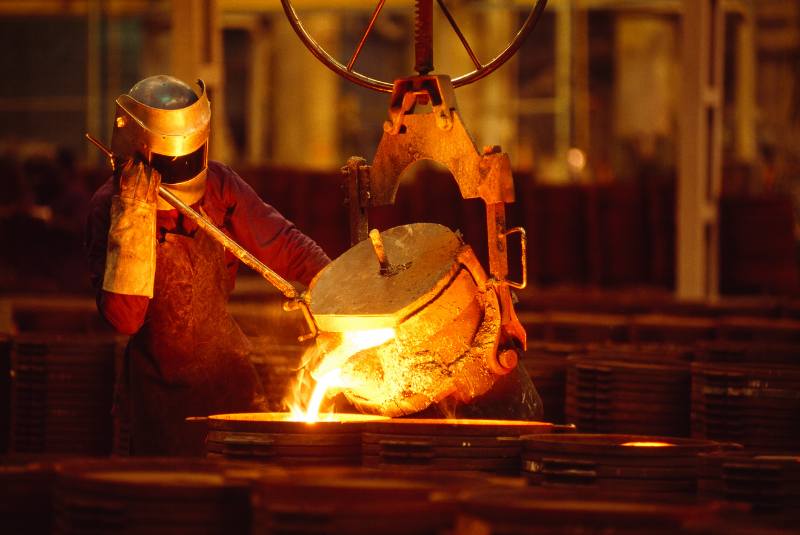
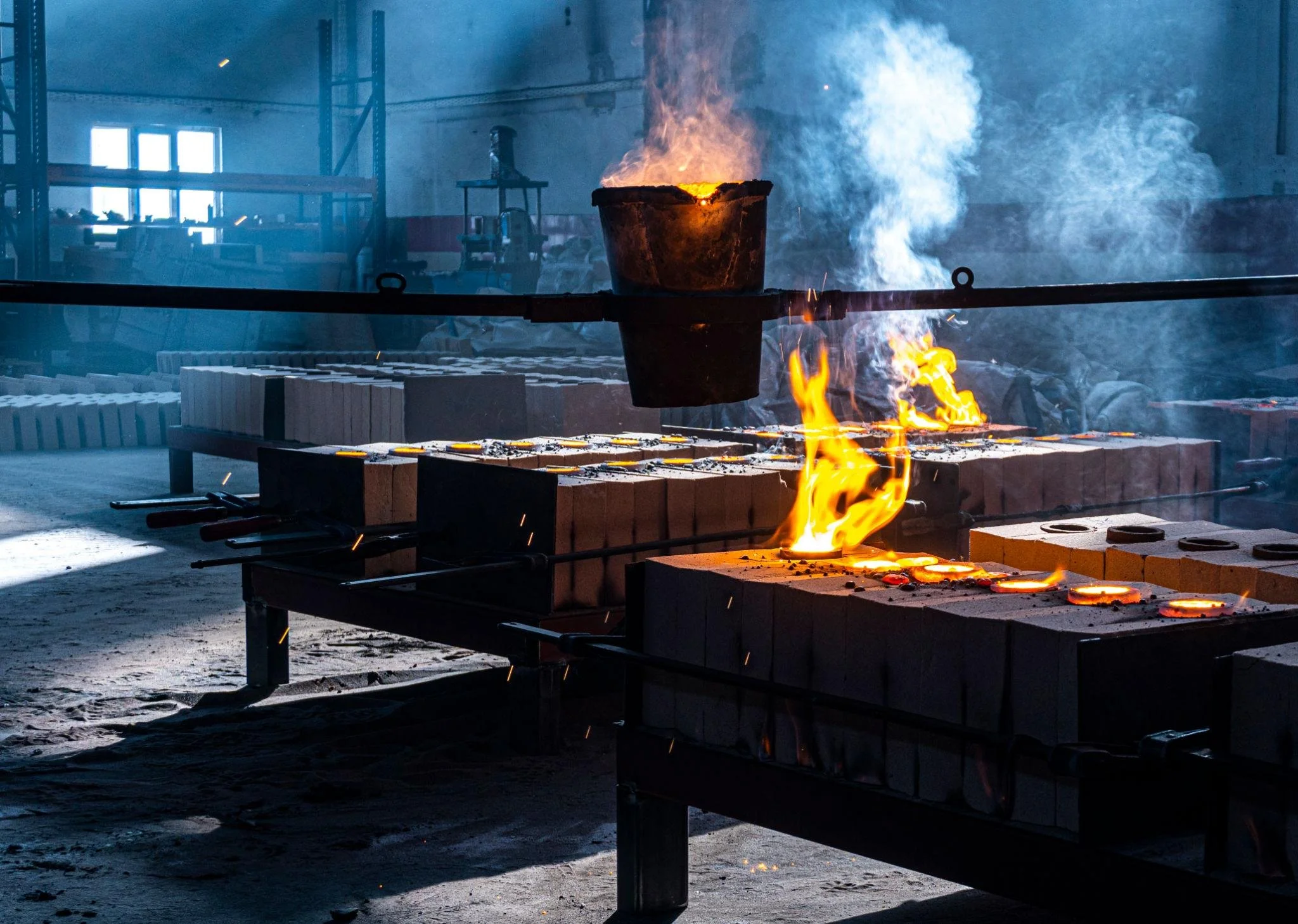
Sand casting remains the backbone of heavy machinery manufacturing, with several specialized techniques categorized by the bonding agents used:
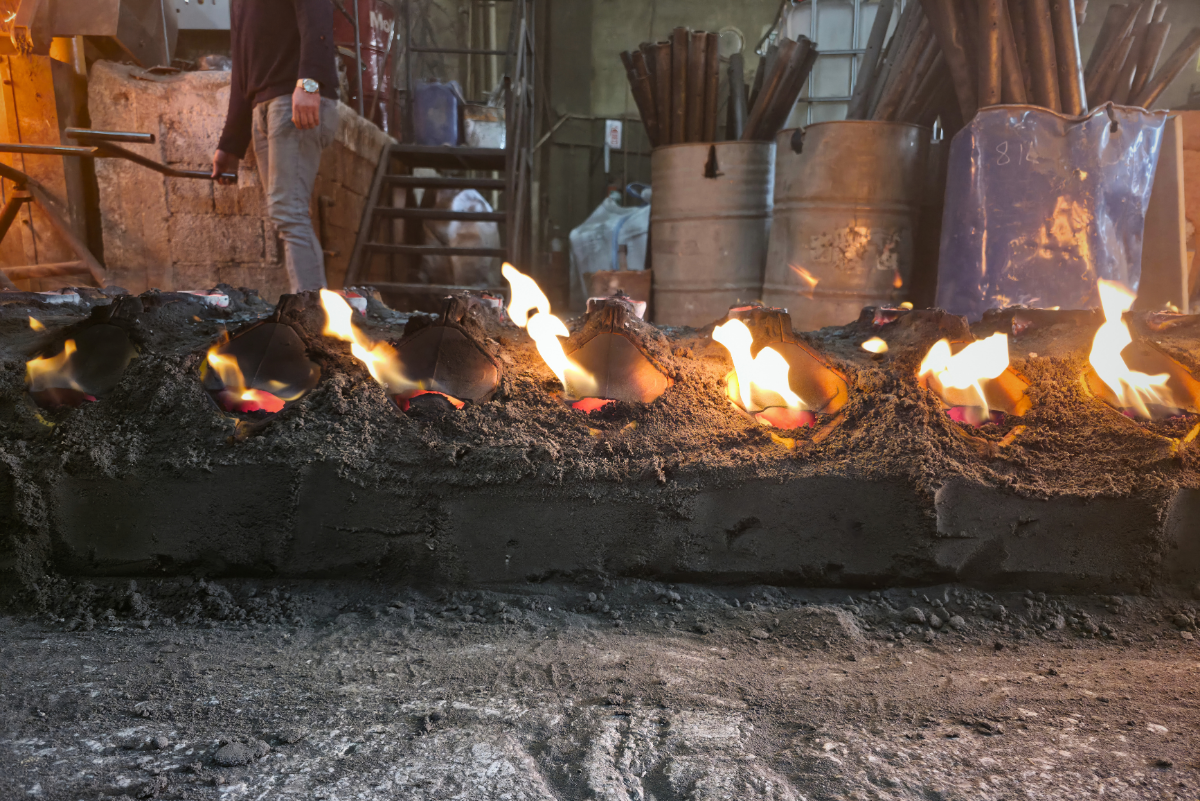
Green Sand Casting: The most cost-effective and common method, using a mixture of sand, bentonite clay, and moisture. It is ideal for high-volume production of large to medium-sized structural parts.Dry Sand Casting: Molds are baked in ovens to increase their strength and stability. This process minimizes gas defects and provides better dimensional accuracy for massive components subjected to high ferrostatic pressure.Resin Sand Casting (No-Bake Casting): An advanced process utilizing chemical binders that harden at room temperature. This technique offers superior surface finish and high precision, making it the preferred choice for complex parts requiring extreme structural integrity.
Our Standard Policies.
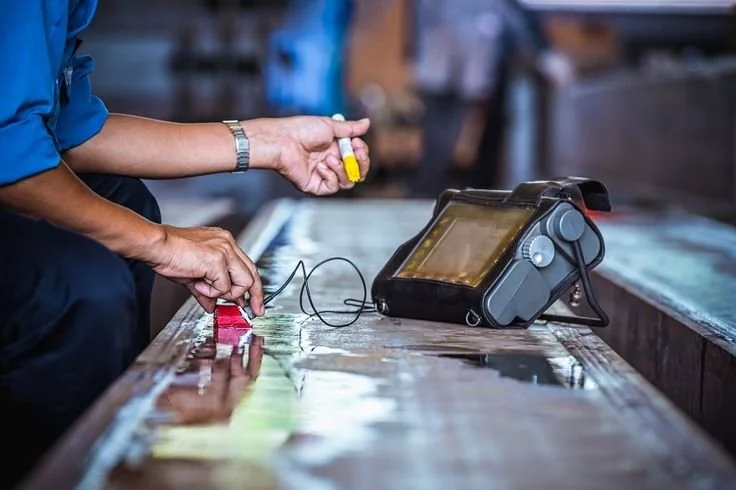
Our policies are centered on strict adherence to international quality standards to ensure the highest levels of safety and efficiency. We follow a rigorous engineering approach based on:
Uncompromising Quality: Implementing regular inspections and Non-Destructive Testing (NDT) to ensure all components are free from structural defects.Extreme Precision: Absolute commitment to micron-level tolerances to guarantee perfect mechanical compatibility.Transparency & Traceability: Maintaining detailed records for every stage of manufacturing and treatment to ensure the integrity of the final product.Continuous Improvement: Constantly upgrading our casting and machining technologies to keep pace with the latest innovations in the automotive and heavy machinery sectors.
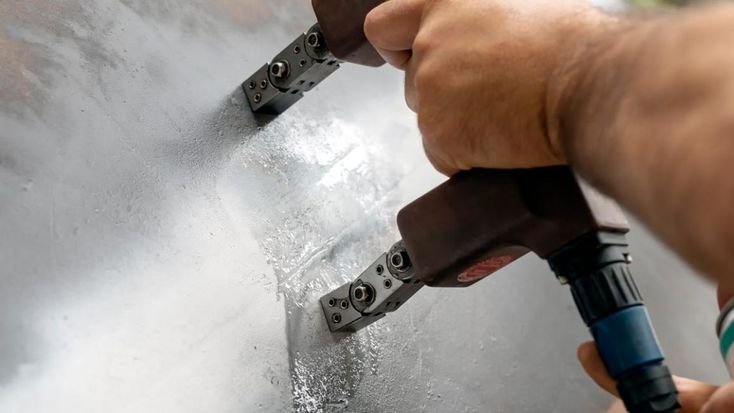
Technical Analysis & Quality Assurance Protocol
We believe that every metal component is the product of precise science; therefore, all our products undergo a series of rigorous tests to ensure full compliance with international standards
Spectrometric Analysis: Precise chemical composition verification using Optical Emission Spectrometry.Microstructure Evaluation: Microscopic inspection to ensure metallic homogeneity and grain structure integrity.Destructive Testing (DT): Including Tensile Strength and Charpy Impact tests to verify mechanical performance under extreme stress.Non-Destructive Testing (NDT): X-Ray Inspection: Deep-tissue scanning for internal casting defects.Ultrasonic Testing: Structural integrity verification for heavy-duty components.Hardness Verification: Surface durability assessment to ensure resistance to wear and tear.